
Call us on 01392 209209

Roger Henderson Invited to Become President of Plymouth Advanced Motorists.
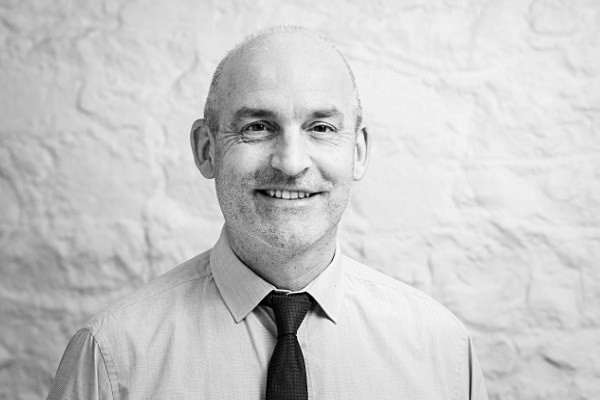 Rundlewalker Solicitors is pleased to announce that Roger Henderson, Director, Practice Manager and Head of Personal Injury, was invited in January 2026 to take on the role of President of Plymouth Advanced Motorists.
Leadership in Road Safety.
Roger’s longstanding interest in road traffic collisions and personal injury claims has shaped a strong commitment to improving road safety standards and education. His work consistently focuses on reducing harm on the roads and supporting safer driving behaviours across all age groups.
Championing Education for Young Drivers.
A particular passion for Roger is better education for young drivers, recognising the vital role early learning plays in preventing serious collisions. This focus aligns closely with the objectives of Plymouth Advanced Motorists in promoting advanced driving skills and safer roads for the community.
Working with Road Safety Stakeholders.
Over the years, Roger has worked alongside a wide range of road safety stakeholders, including Learn 2 Live, and previously served for many years as a Trustee of The Honest Truth charity, supporting initiatives aimed at reducing deaths and serious injuries on the roads.
Professional Memberships.
In addition to his new role, Roger is an active member of several professional bodies, including the Association of Personal Injury Lawyers (APIL), the Institute of Advanced Motorists (IAM) and the Association of Child Abuse Lawyers.
Rundlewalker congratulates Roger on this invitation and looks forward to the positive impact his leadership will have on road safety in Plymouth and the surrounding area.
Roger has been a member of this group for many years and was delighted to be asked to be its President. The group is always looking for new members and to encourage safe driving, so if you are interested in joining, please visit their website: https://www.plymouthadvancedmotorists.org.uk
For more information on how Rundlewalker’s Personal Injury Team can help following a road traffic collision, please contact our office. Simply contact us now to discuss your legal situation and we can advise you of the options available. Please call Roger Henderson on 01392 209218 or email roger.henderson@rundlewalker.com.
This article is for general information only and does not constitute legal or professional advice. Please note that the law may have changed since this article was published.
"I had a really positive experience with Rundlewalker. Roger was extremely knowledgeable and empathetic to my case. He kept me updated at every stage of the process and ensured I knew exactly what the next steps were. He was friendly and approachable and only ever a phone call away. I really appreciated his high level of professionalism, which all helped in achieving a successful outcome. Highly recommended." M.P.
"We can't thank you, Roger, enough for all of your hard work during the process of the claim. You have been brilliant and kept us informed throughout which we both really appreciate, you have explained every step in a way that we could understand with ease, having had no experience in such a claim before.” Mrs N.



Kings Wharf, The Quay,
Exeter, Devon EX2 4AN
Tel: 01392 209209
Email: solutions@rundlewalker.com
Fax: 01392 209208